Yamaha YBR 125 vs Suzuki GS 150
Which one should you actually buy in 2026? We break down every spec, every rupee, and every real-world advantage so you don't have to guess at the dealership.
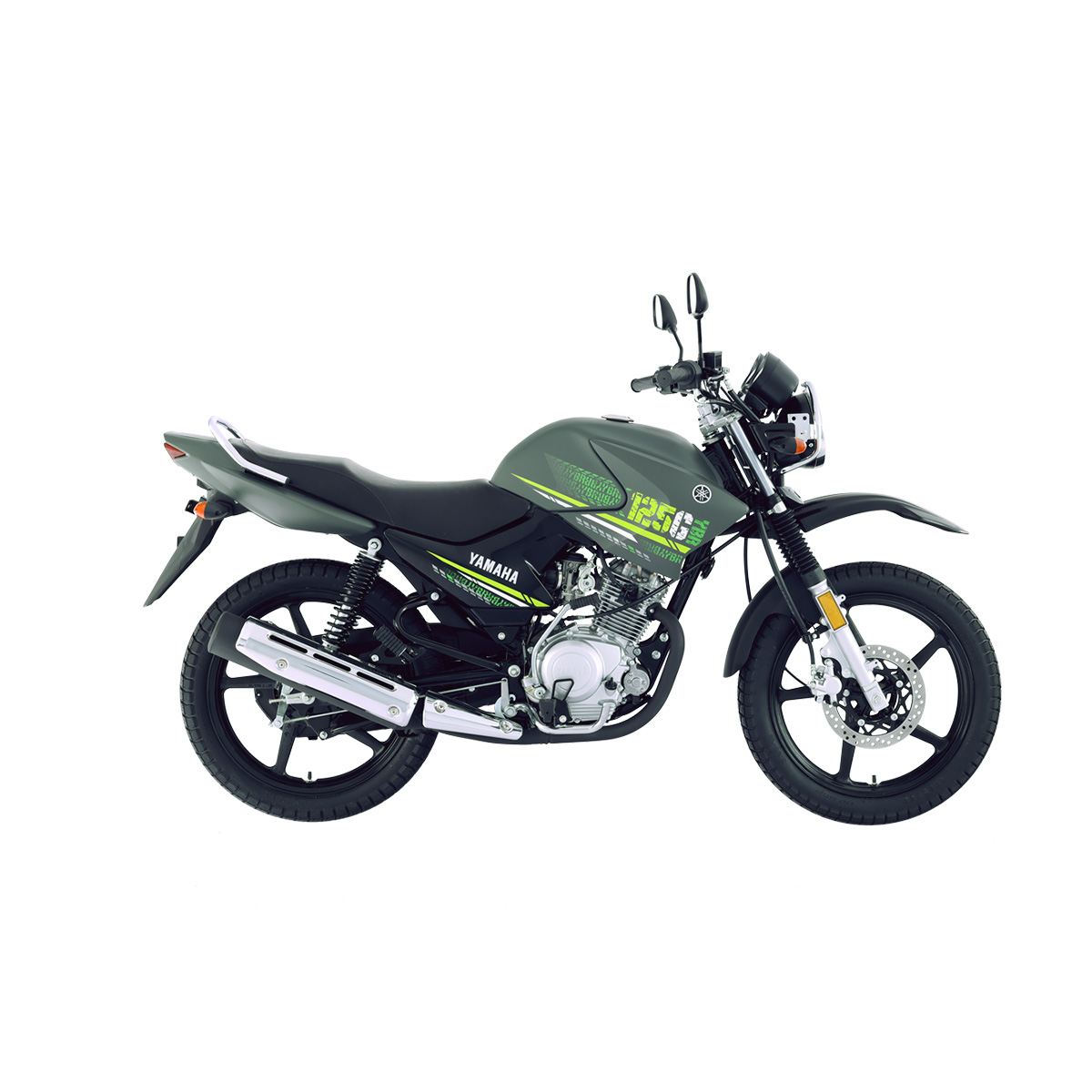
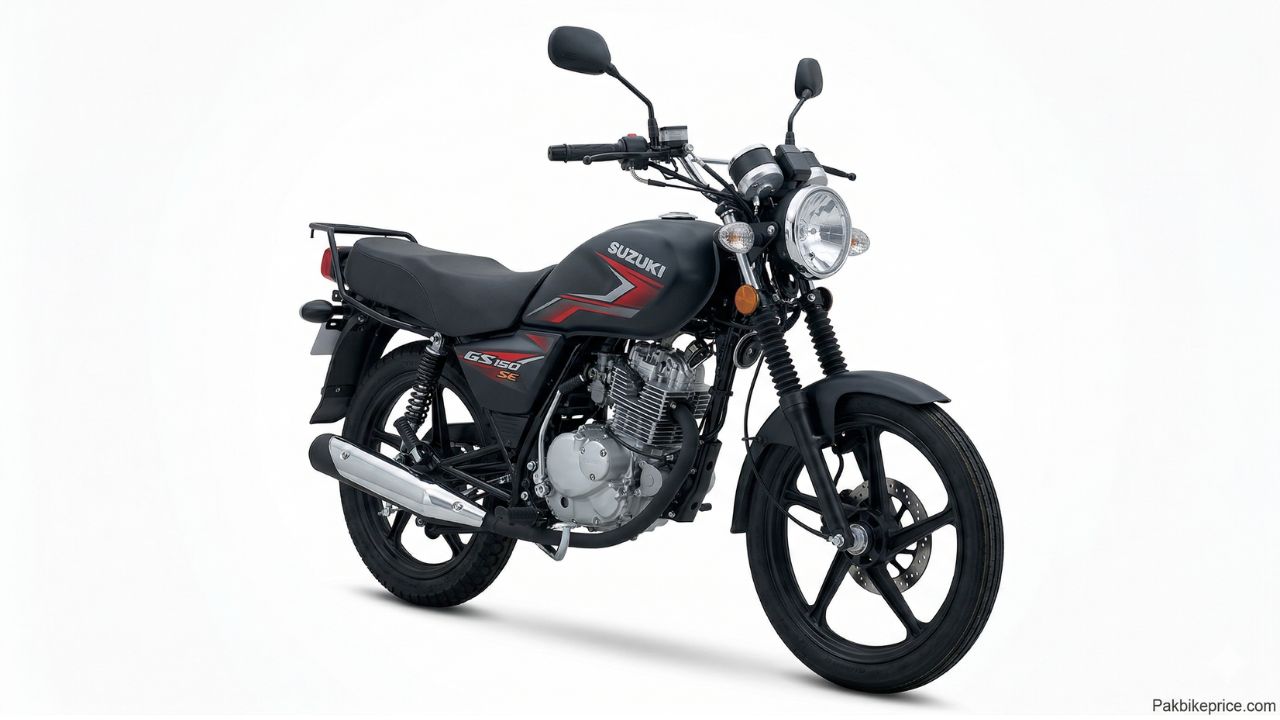
Yamaha YBR 125 vs Suzuki GS 150 — The Real Story
Let's be honest — comparing two motorcycles on paper is easy. The real question is which one you'll actually be happy with two years from now. Both the Yamaha YBR 125 and the Suzuki GS 150 are popular choices in Pakistan's 125cc segment, and for good reason.
The Suzuki GS 150 carries an official 2026 price that is Rs. 84,000 cheaper than the Yamaha YBR 125. In Pakistan's motorcycle market, every rupee of difference matters — it affects your installment plan, insurance costs, and resale value years down the line. While the Yamaha YBR 125 demands a premium, buyers must decide if the brand value and specific features justify the extra upfront cost.
We've broken down every major spec, real-world cost factor, and ownership consideration so you can walk into the dealership knowing exactly which bike suits you.
Complete Specification Comparison
Competitive Analysis: Where Each Bike Wins
⚙️ Engine & Raw Performance
The Yamaha YBR 125 runs a 125cc engine producing 9.3 bhp and 10.0 Nm of torque, with a claimed top speed of 110 km/h. It uses a 5-Speed gearbox.
The Suzuki GS 150 packs a 149cc engine with 13.7 bhp and 13.0 Nm of torque. Its 5-Speed gearbox is paired with a claimed top speed of 120 km/h.
Our Take
With a heavily tuned block, the Suzuki GS 150 produces noticeably more thrust. The extra horsepower makes highway cruising much less strained and gives a punchier throttle response during city overtakes compared to the Yamaha YBR 125.
⛽ Fuel Economy & Running Costs
Yamaha YBR 125
38-44 km/l
Real-world average
Suzuki GS 150
35-42 km/l
Real-world average
With petrol prices in Pakistan hovering around Rs. 250–280 per litre, fuel efficiency directly impacts your monthly expenses. At 1,000 km per month — typical for an urban commuter in Lahore or Karachi — a difference of even 5 km/l between two bikes can translate to saving Rs. 1,000–1,500 every month. That adds up fast.
Both bikes are optimized for everyday commuting, but real-world numbers from riders suggest load, traffic density, and tyre pressure can shift your actual average noticeably. Always do your own test run before committing.
🛑 Braking & Everyday Safety
The Yamaha YBR 125 uses Drum/Drum brakes, while the Suzuki GS 150 is equipped with Disc/Drum brakes.
Suzuki GS 150 Wins
The GS 150's disc brakes are a genuine safety step ahead. Disc systems provide shorter stopping distances and more consistent performance when brakes heat up on long descents. This is a spec that older riders and daily commuters in heavy traffic should prioritize.
🔍 Hidden Costs & Resale Value (The Content Gap)
The Yamaha YBR 125 attracts a younger, more enthusiast-focused buyer in the used market, holding excellent prestige value. Traditional commuters might prefer the Suzuki GS 150.
Yamaha YBR 125 — Ownership Perks
- ✓ Mechanics across Pakistan are very familiar with Yamaha technology, reducing service labour costs.
- ✓ Often comes with better local availability for body parts compared to newer imports.
Suzuki GS 150 — Ownership Perks
- ✓ Financing options are frequently subsidized by Suzuki dealerships.
- ✓ Newer designs tend to attract stronger secondary market demand in urban student areas.
🎯 Who Should Buy Which?
Buy the Yamaha YBR 125 if you...
- → Prioritize long-term brand support and wider service availability
- → Ride in rural areas where dealer networks of established brands matter
- → Need best resale value when upgrading 2–3 years from now
- → The 125cc engine capacity suits your daily commute distance
Buy the Suzuki GS 150 if you...
- → Are more budget-conscious and want to maximize value per rupee
- → Ride primarily in urban settings where newer designs attract attention
- → Want a modern styling update over a tried-and-tested classic
- → Prefer flexible installment plans that Suzuki dealerships often provide
🛣️ Best Riding Scenario for Each Bike
🗣️ What the Riding Community Says
"I've been riding the Yamaha YBR 125 for over a year now. My advice: get it serviced on time and it will never let you down."
— Tariq Mehmood, Abbottabad
"The Suzuki GS 150 was cheaper than the Yamaha YBR 125 but doesn't feel cheap at all when you're actually riding it."
— Hammad Nasir, Sialkot
⚖️ Our Final Verdict (2026)
After going through the specs, prices, and rider feedback, the honest answer is: there is no single "better" bike here. It depends entirely on what you're buying it for. Use the section above to find the scenario that matches your life.
Yamaha YBR 125
Best for riders who value long-term reliability, strong resale value, and a nationwide service network. A safe, proven choice for daily use.
Rs. 466,000
Suzuki GS 150
Best for riders who want modern styling and a competitive price without compromising on the key specs that matter for city riding.
Rs. 382,000
Frequently Asked Questions
Which is cheaper — Yamaha YBR 125 or Suzuki GS 150 in 2026?
The Yamaha YBR 125 is officially priced at Rs. 466,000, while the Suzuki GS 150 retails at Rs. 382,000 as of April 2026. Prices can vary slightly by city — always confirm the final price with an authorized dealer before purchasing.
Which has better fuel mileage — YBR 125 or GS 150?
The Yamaha YBR 125 delivers approximately 38-44 km/l, while the Suzuki GS 150 offers around 35-42 km/l. These are real-world tested averages — your actual mileage will depend on traffic, road conditions, riding speed, and load weight.
Which has a more powerful engine — YBR 125 or GS 150?
The Yamaha YBR 125 produces 9.3 bhp from its 125cc engine, while the Suzuki GS 150 outputs 13.7 bhp from a 149cc unit.
Which bike has better resale value in Pakistan?
The Yamaha YBR 125 attracts a younger, more enthusiast-focused buyer in the used market, holding excellent prestige value. Traditional commuters might prefer the Suzuki GS 150.
Is the YBR 125 or GS 150 better for long-distance touring in Pakistan?
Both bikes in the 125cc category are primarily built for commuting rather than long-distance touring. That said, riders regularly complete intercity trips on both. For frequent touring, prioritize seat comfort, wind protection, and fuel tank size.
Quick Price Summary
Browse by Engine
⚠️ Price Disclaimer: All prices shown are official MSRP as of April 2026. Actual dealership prices may vary. Always verify with an authorized dealer before purchase.